
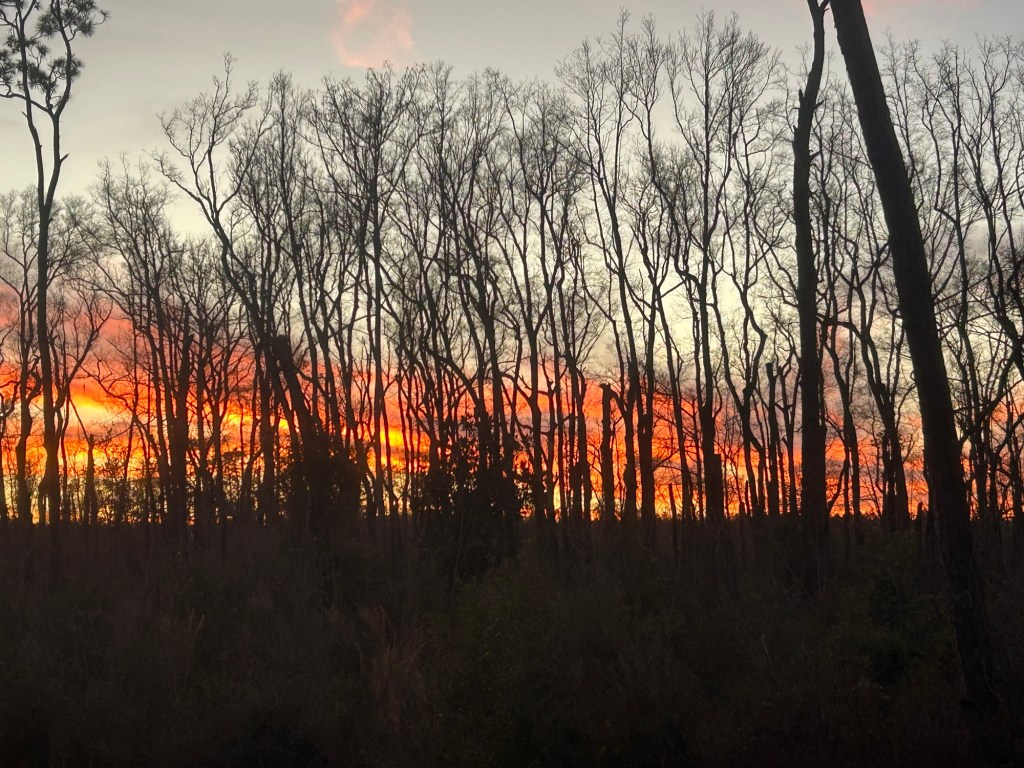
I found myself thinking about change as I walked along the ever-changing Florida Trail. I’ve walked through a variety of ecosystems including cypress swamps, titi swamps, palm forests, dry sandy pine forests and prairies. When I started the Florida Trail in January, even though it didn’t feel like winter to me, it WAS the heart of Florida’s winter. Now, in mid March, the season has definitely changed to spring. I’ve been in 80° temps as well as some below freezing.

The moment I learned I had broken my foot, I had to accept that the Florida Trail would be done differently if I was going to get it done at all. Rather than become despondent and give up, I had to think outside the box and change the way I thought about a long distance hike. I had to accept change on a deeper level.

Usually when I do a long distance hike, I plan my day around water. I need to know where I can get water every day and I try to camp near it whenever possible. But hiking with a broken foot has changed that. Instead of water being my priority, the question I ask each day is, “Where can I park and where can my shuttler drop me?” I usually start each day with two quarts of water, which is plenty for me to hike the fifteen miles a day I’ve been averaging. I fill up a few gallon water jugs at gas stations when I’m driving around so I always have spare water in my car. When I was in southern Florida, much of that water was difficult to drink as it smelled and tasted like sulfur. So far the water in northern Florida, including the many streams I encounter most days, has been clear and tastes sulphur-free.

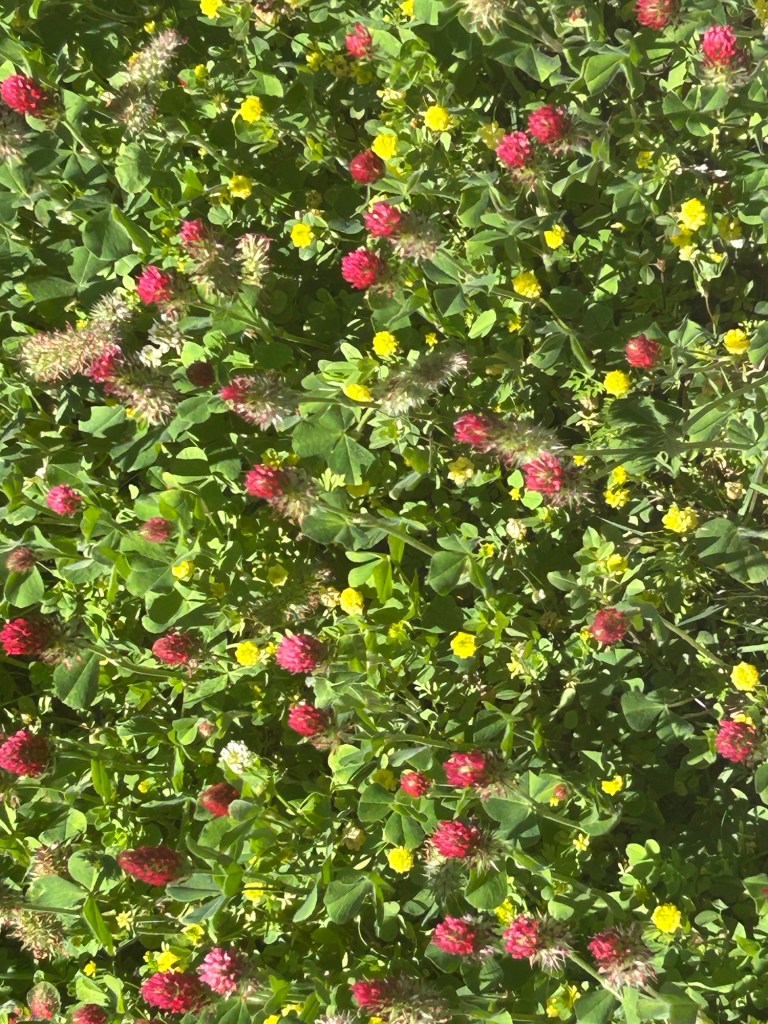
I’m not a big fan of the twice yearly time changes. This year I’ve gotten to experience it four times in just a few weeks. Daylight savings time arrived as usual. A few days later I jumped ahead on the trail to connect with my shuttle. Because I was in the panhandle of Florida, I crossed a time zone and so had to go back an hour. Two days later I went back to connect the miles I had missed. Once again I was in eastern daylight time. Then as I headed west in the panhandle again, I returned to central time. When I finally finish the trail and drive back home, I’ll return again to Eastern time.
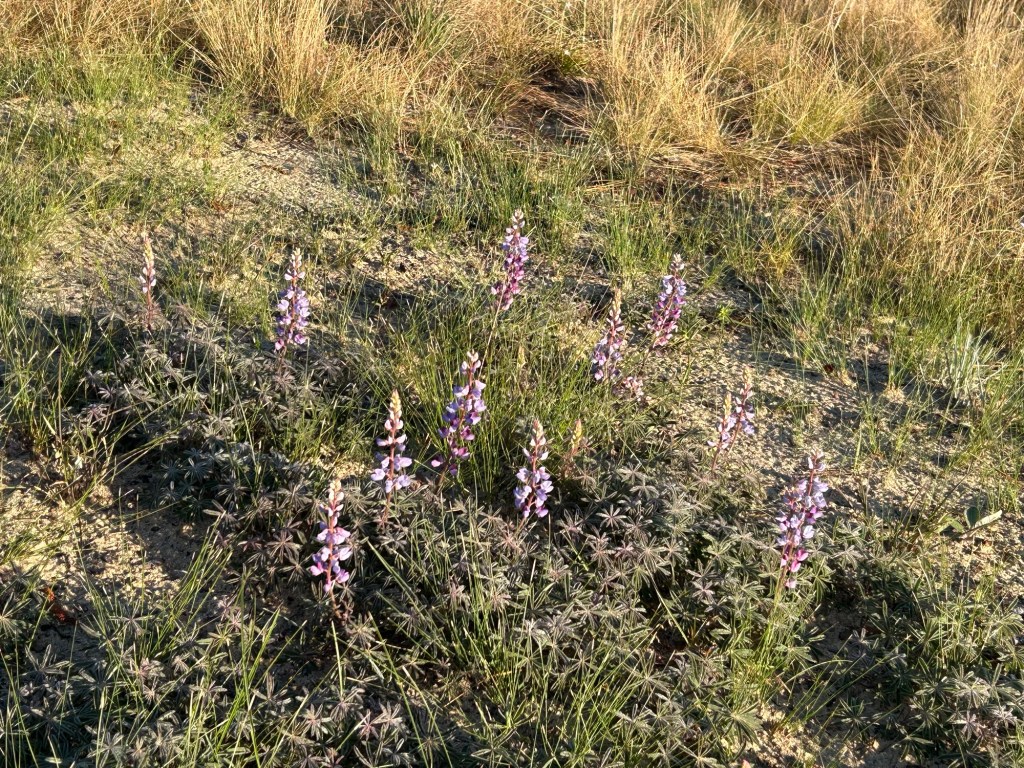
Normally when I hike, the time change doesn’t affect me much, but nothing has been normal about this thru hike. Because I’ve been relying on people to shuttle me from where I park my car to where I can begin to hike for the day, when daylight savings time first happened it was to my advantage. Most shuttlers weren’t meeting me until at least seven in the morning and sometimes it was as late as nine. When the clocks jumped forward it gave me an extra hour of daylight to hike back to my car. But now that I’m on the eastern edge of central time, the days are again getting darker earlier. Luckily, because of the seasonal change toward spring, it’s staying light a bit longer than it did when I first started the trail in January.
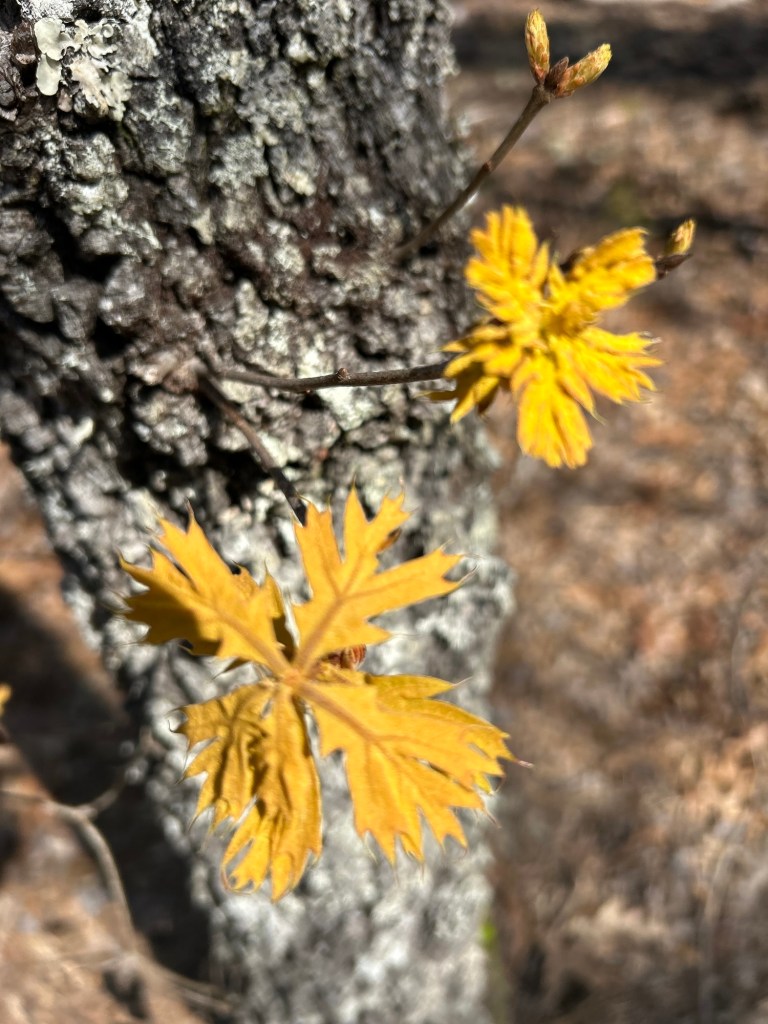
While the time change imposed on us by going from standard time to daylight savings time is quick, the normal seasonal time change happens slowly with only a few minutes added or subtracted each week. I’ve thought about how more abrupt changes in my life were harder to adapt to. It’s one of the reasons I like people powered activities because they happen at a slower pace.
Many changes in nature happen so slowly they are barely noticeable in a human lifetime. But others, such as those brought on by devastating storms or fires, cause instant change. I take heart in today’s world knowing that when things get bad enough, people in communities usually come together to find a way to help each other rebuild.
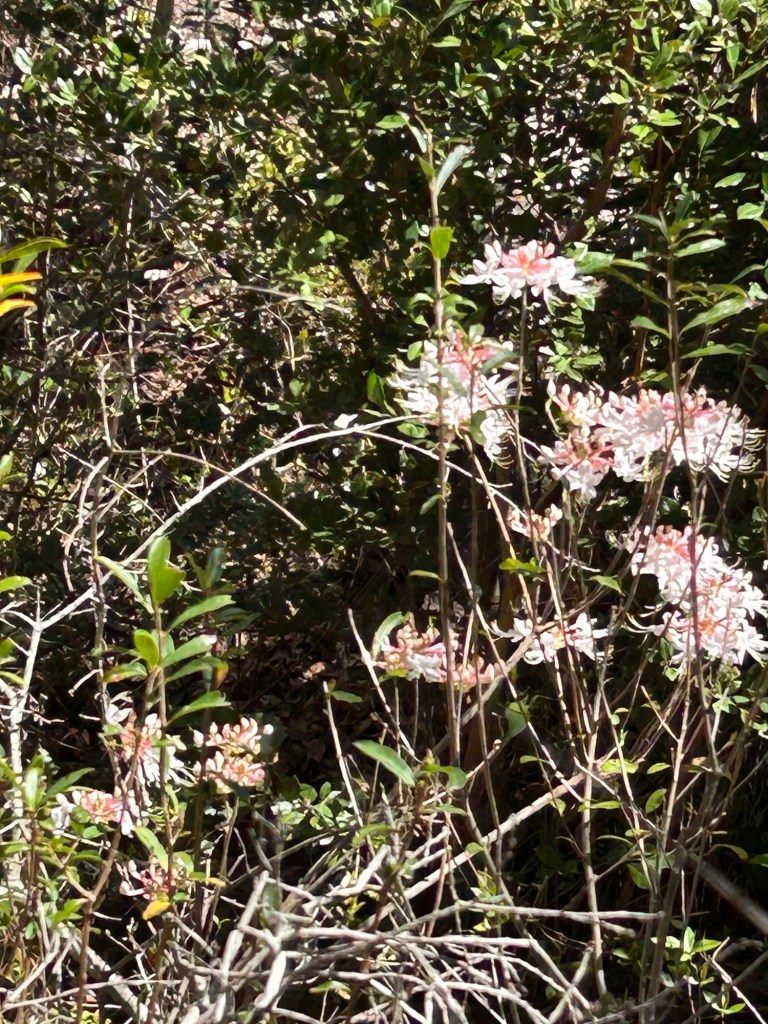
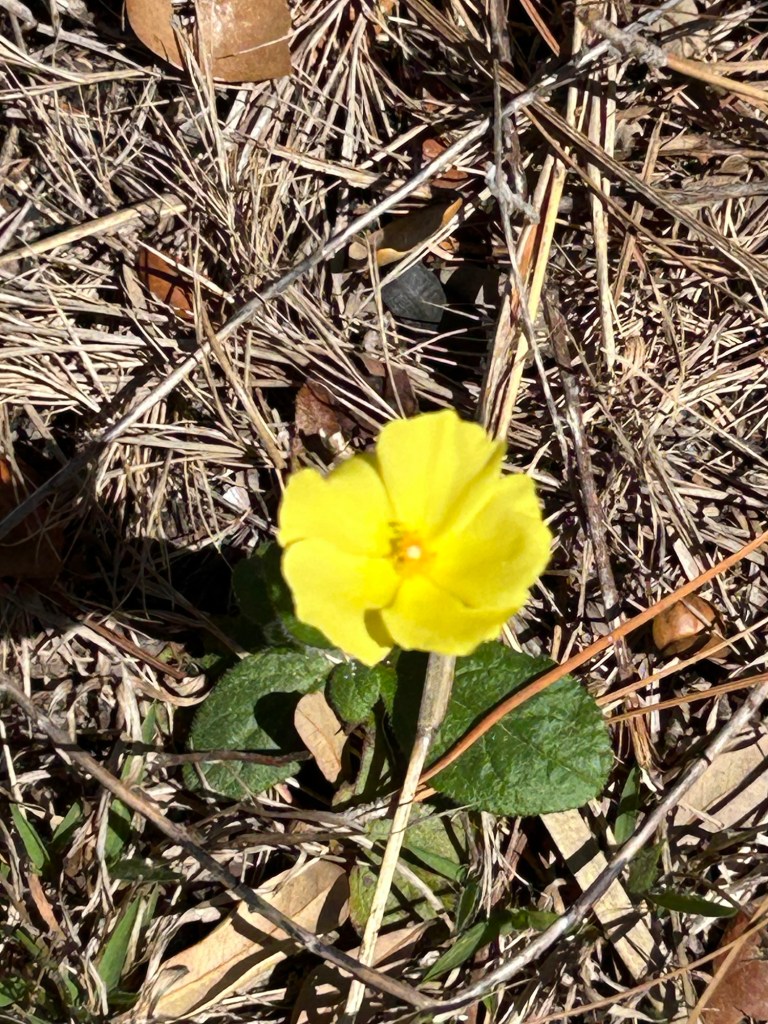
As I was walking, I recognized that while I was aware of some changes such as injury, losing a spouse or becoming a parent, I was not at the time consciously aware of all the changes that would happen as a result of the initial event. For example there are many things I used to do such as play guitar or have a large vegetable garden which I no longer do because of changes in my life. Now that I’m aware of the things I let go of, I want to take stock to determine if I’m OK with those changes or if I want to try to recover some of what I’ve given up. And I want to become more consciously aware of the ripple effects of each decision I make.

Sometimes change is scary or uncomfortable for me. Other times change can’t happen soon enough. I’ve tried to remain flexible as I’ve aged, knowing that older people often have trouble adapting to the inevitable changes of the younger generations. I’ve come to accept that change is one of the few constants in life. Sometimes change feels it’s in my favor and sometimes it doesn’t. Certainly the aging process doesn’t always feel like a positive change. Yet I realize if I look outside myself, it’s good for the world that my body will change and eventually die. This is necessary to make room for future generations.
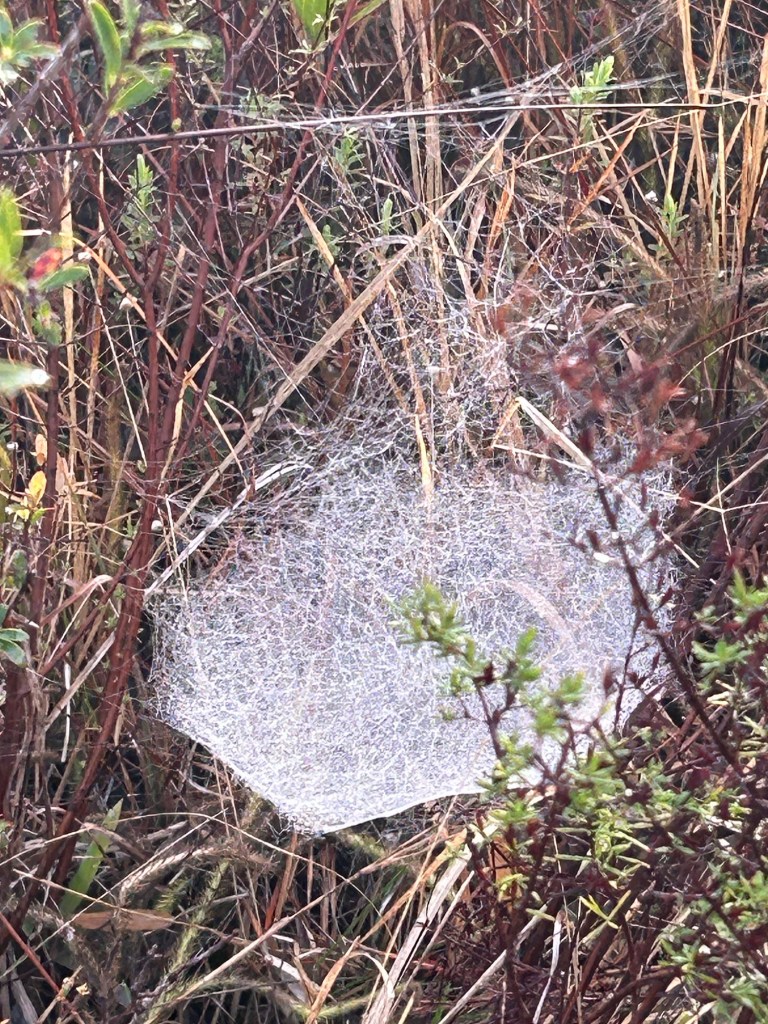
I’ve learned to accept change forced onto me whether I wanted it or not. I try to lean into it, cultivating curiosity about what the change will bring. I try to adapt quickly while also maintaining my sense of morality. I don’t want to go along with changes which feel morally wrong to me.
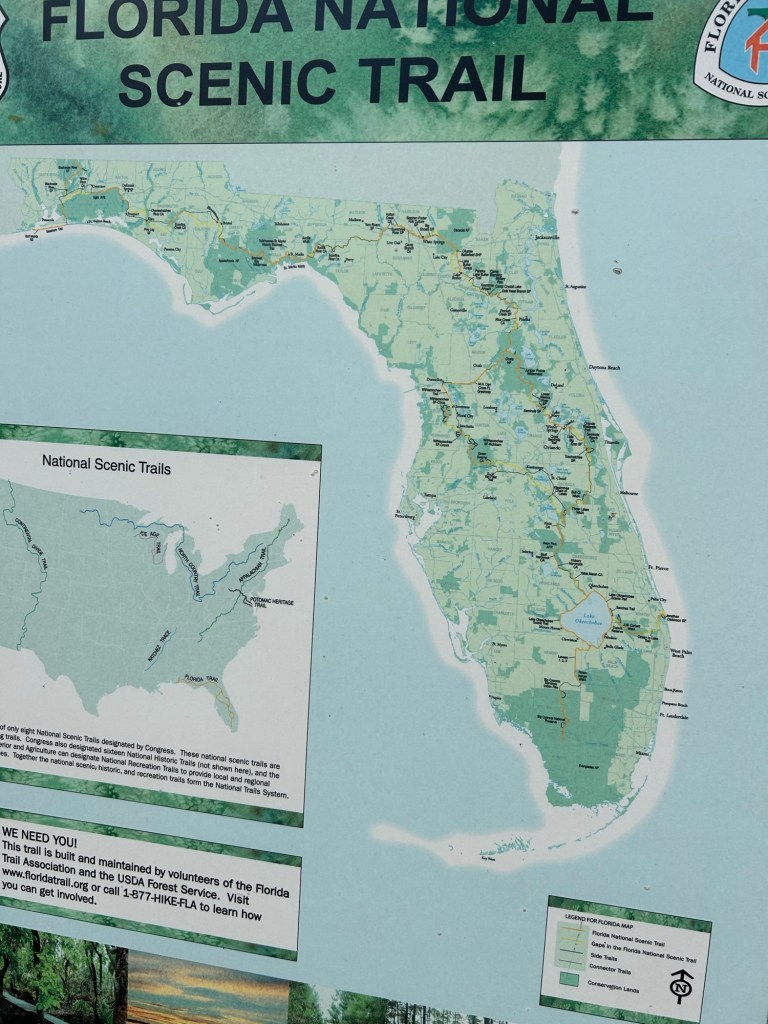
As I come close to the end of the Florida Trail I realize I’m about to face another big change in going from trail life back to my house in Vermont. I need to give myself time to adapt to avoid becoming overwhelmed and falling into post-hike depression, which is common for long distance hikers. But rather than assuming I will fall into my usual post-hike depression, I am trying to lean into the possibility of change. Continuing to hike with a broken foot has made me a lot stronger. And while I can’t yet put words to it I know I’ve changed in some really significant ways. I feel if I’ve been able to hike almost the entire Fla trail with a broken foot. I can do just about anything that comes my way.
#thruhike #thruhiker #thruhiking #nationalscenictrails #nationalscenictrail #floridatrail #did #ptsd #healingtrauma #kindness


 The Mary Badass
Leave a reply to themarybadass Cancel reply