

People ask me what it is like to prepare for a long hike and how it has changed over time. While there is no one answer that fits for every person or even every hike, there are some common dominators. Some of these have not changed since I began long distance hiking almost 50 years ago. (Yipes! Realizing it’s been that long does make me sound old !😀) In most ways I’d say that preparing for a hike is a lot easier now than it was in the 1970s.
Many of the biggest changes have to do with the advent of the Internet, which makes gathering information so much easier. Even as I write that, I realize that many long distance hikers on the trails today have never lived in a world without Internet! They don’t know what it’s like to research at a library or pick up a dial telephone and make call after call, many which had long distance charges associated with them. A critical piece of gathering information back in the 1970s and 80s was talking to anyone I could find who had done a trail I wanted to do. Today people still glean information from others, but often they can get it without talking with them. Information can be gotten by looking at what people have posted online or on FarOut, which is one of the most commonly used trail apps.
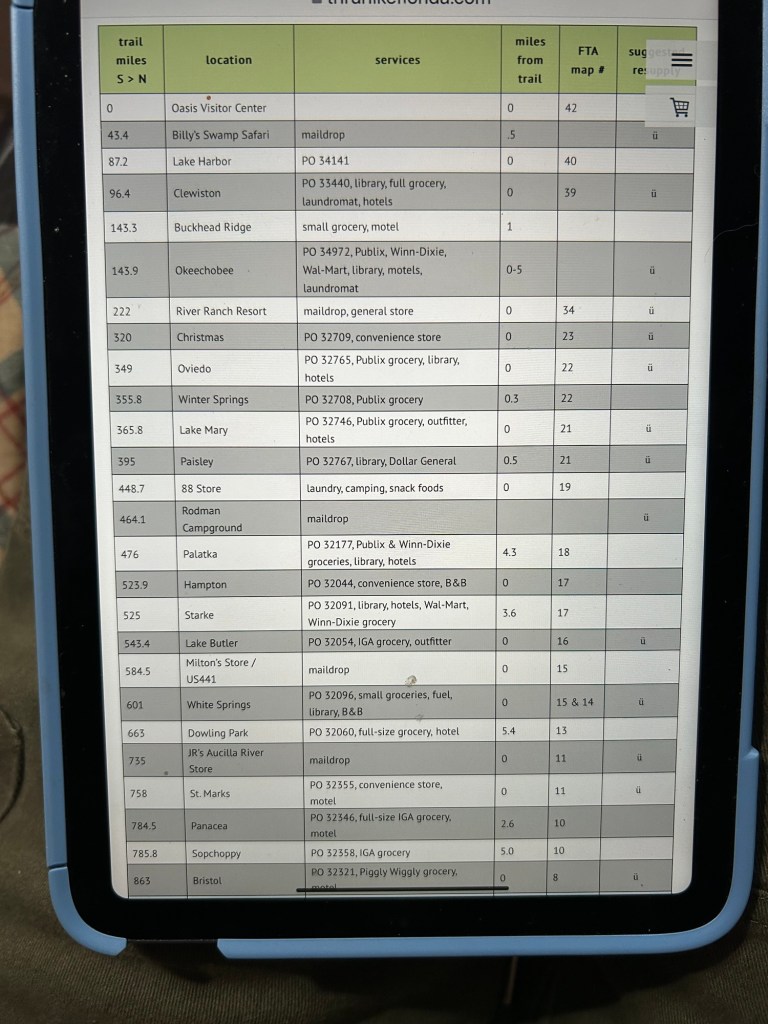
Back in the day, I used road maps a lot. (can you even buy road maps now? ) I found where the trails came close to towns, sometimes having to estimate on the map where I thought the trail went. Then I tried to find out something about that town by calling town offices, libraries, police stations, schools, post offices or chambers of commerce, often struggling to find the phone numbers without the Internet. I want to give a shout out to the helpfulness of librarians.
Most of the time I relied on post offices for sending my resupply boxes to. That meant finding people who would mail my boxes as I got close to the town since some Post offices adhere strongly to the rule of only holding a box for two weeks before returning it.
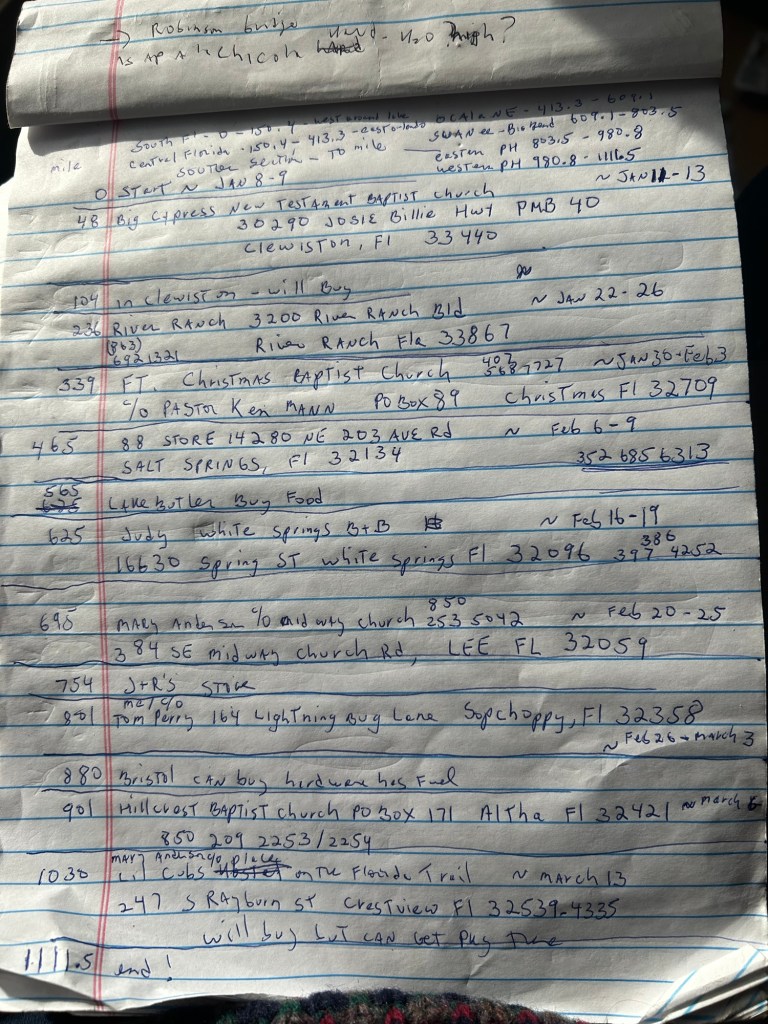
Most of the way I do things now has evolved out of my own personal preferences. For the more well established trails, I can often find a list of possible resupply towns online. I glance at that list and pick places that are close to or right on the trail and between 100 and 130 miles apart. Some hikers stop at every town the trail goes near but I prefer carrying 100 miles or about a weeks worth of food to avoid having to continually break the rhythm of my hike by resupplying more often. After days of being on the trail, I often find it overwhelming to be in a store surrounded by that much food.
Once I have my towns chosen, I make phone calls to determine where to mail my supplies too. I always try to make the personal connection of a phone call both for my own sense of security that the information is correct, but also to let the person on the other end know I don’t take them for granted and I really appreciate their offer of help.

Because I no longer use a liquid fuel stove, which allowed me to get unleaded gas at any gas station along the way, and because I really like a hot meal at days end, another task in planning is to figure out where I can get isopropyl fuel on the trail. I do this by finding places to call in each town or by looking at the Trail app to see what other hikers have said about what’s available in each town. If it doesn’t look like fuel will be available when I need it, which is about one small 4 ounce can every 10 days, I set about finding a place where I can mail it to. Since I’ve decided that on the Florida Trail I will spend the long, dark, cold winter mornings having a hot breakfast along with cooking my dinners, I’ll make sure to have a new can of fuel every seven days. After much research, I learned there is a legal way to mail these fuel cans to myself. And mailing my packages ground rather than priority saves me money.

While I mail my packages via USPS, I try to no longer send them to post offices because if I arrive on a Saturday I am stuck in town until Monday waiting for the PO to reopen. I research businesses in town and call to find a place that will allow me to send a package to them. It has been a literal blessing on the Florida trail to find so many churches willing to help in this regard. I feel heartened to see so many people committed to putting their faith into real action by being kind to the hikers passing through their communities.
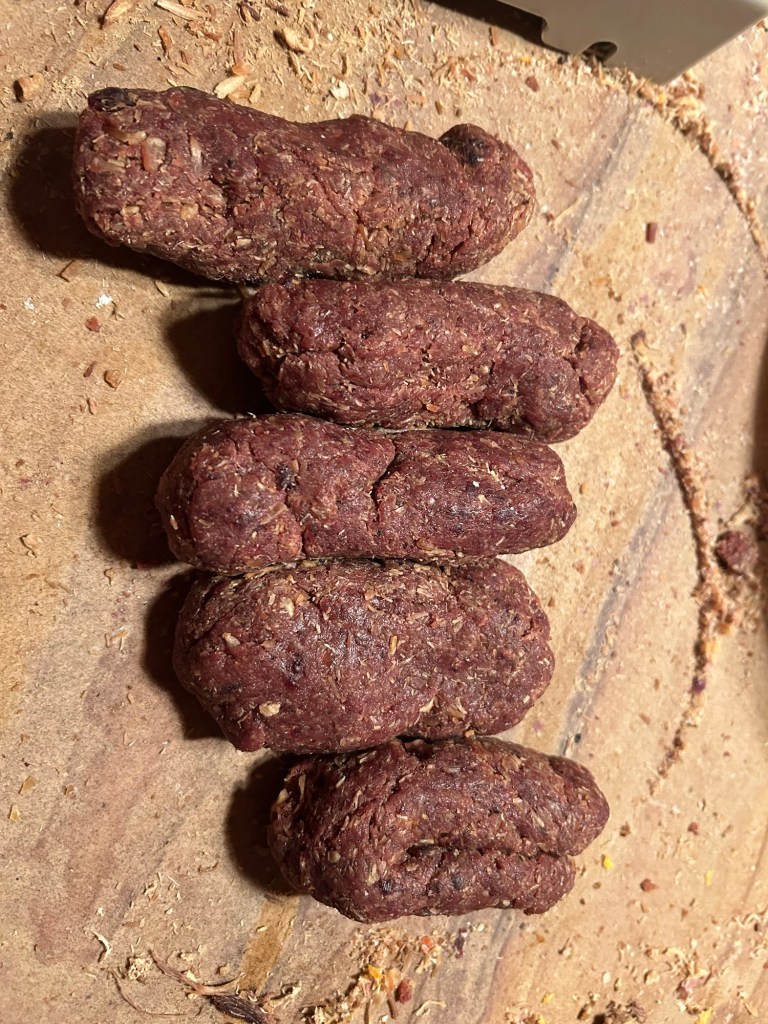
On many hikes I try to vary sending myself a resupply box with buying food in a town when it’s available. This ensures more variety in my diet and allows me to use up what I’m carrying if I arrive in town with more than what I needed. It’s a known fact that sometimes what taste good at home is unpalatable on the trail. Sometimes it’s difficult to eat similar food over and over and over again. But I have a lot of experience and am good at dehydrating food, so for the Florida trail I’m relying almost solely on food I dehydrated. In part I’m doing this because it saves me money and in part because I like the food I make.
Once I get my food boxes filled, I add things like toothpaste, toilet paper, dental floss or bug repellent to a few of them spaced out where I think I might need those things. After sealing and addressing the boxes, adding a note to “please hold for Hiker” along with my name and ETA, I load the boxes into my car. I drive them to the state I start my hike from which reduces the cost of postage.
Once the food boxes are taken care of, I turn my attention to gear and other details which I’ll cover in another blog.
#nationalscenictrails #thruhiking #thruhiker #floridatrail #preparingforathruhike


 The Mary Badass
Leave a comment